
In the modern business landscape, many founders and operations managers view office infrastructure as a “sunk cost”- a necessary evil that eats into the bottom line.
But here is the reality, your workspace is not just a place where work happens- it is a performance tool.
Think of your office infrastructure as the operating system of your business. If the OS is buggy, slow, and outdated, even the most talented apps(your employees) will crash.
Good infrastructure eliminates the friction that kills creativity. It reduces the invisible costs of distractions, poor ergonomics, and technical downtime.
Setting up a budget for this isn’t just about finding the lowest price- it’s about strategic allocation.
Here is how to build an infrastructure budget that fuels your growth rather than draining your accounts.
1. Prioritize High-Performance Tech Over Aesthetics
While a neon sign and a velvet couch look great on Instagram, they don’t help your team hit deadlines. Your budget should prioritize “The Big Three”: Connectivity, Hardware, and Security.
- Connectivity: In 2026, a good connection isn’t enough. You need redundancy. Budget for a primary high-speed fiber line and a secondary backup.
- Power Infrastructure: Don’t underestimate the cost of high-quality UPS (Uninterruptible Power Supply) systems and surge protection. One power spike can wipe out a month’s worth of hardware budget.
- Future-Proofing: Allocate funds for hardware that can handle software updates for at least three to four years. Cheap laptops are a trap, they cost more in IT support and lost productivity within 18 months.
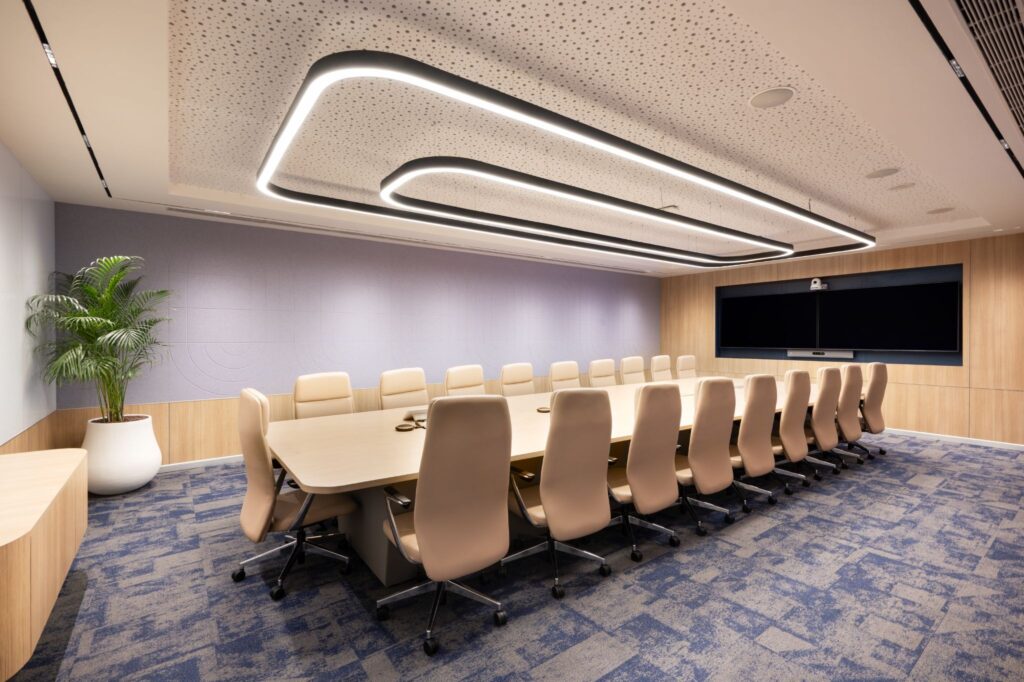
2. Invest in “Human Ergonomics” Early
Your team is your most expensive and valuable asset. If they are uncomfortable, they are distracted. A significant portion of your infrastructure budget should be dedicated to things that touch the human body.
- The Chair/Desk Equation: A high-quality ergonomic chair and sit-stand desks are non-negotiable. The “cost” of a back injury or chronic strain far outweighs the $500 premium for a better chair.
- Acoustics: Sound pollution is a silent productivity killer. Budget for acoustic panels, phone booths for private calls, or high-quality noise-canceling headphones for the team.
- Lighting: Poor lighting leads to eye strain and headaches. Invest in a mix of natural light optimization and “smart” LED lighting that mimics circadian rhythms.
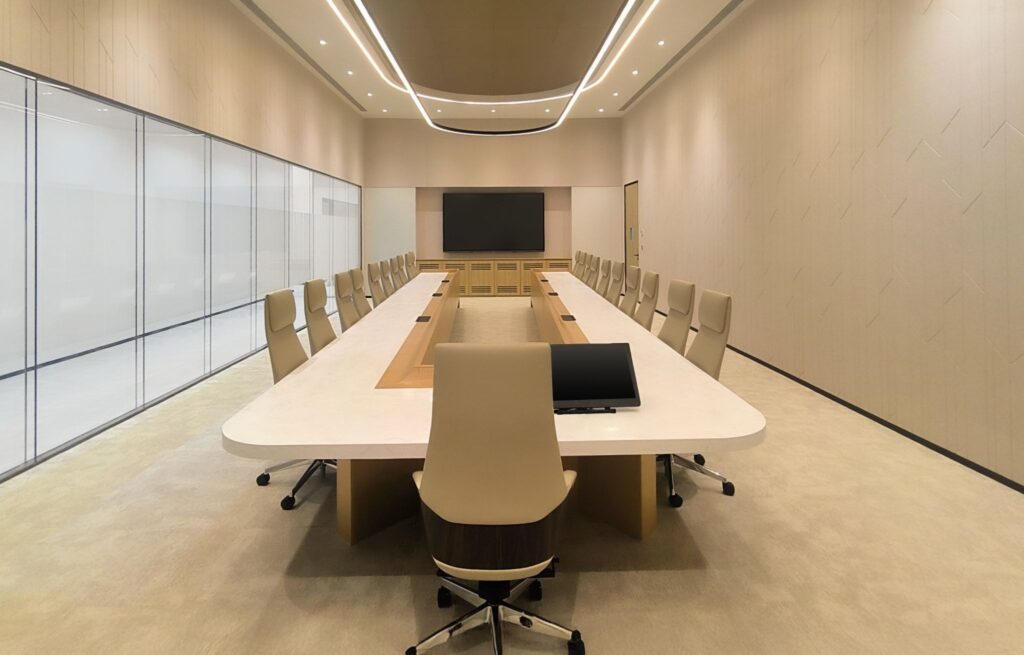
3. Build a “Scalable” Software Stack
Infrastructure isn’t just physical. In a hybrid world, your digital infrastructure is just as vital as your desks.
- Collaboration Tools: Budget for enterprise-level project management and communication tools.
- Security & Compliance: Don’t skimp on VPNs, password managers, and data encryption services. A security breach is the most expensive “infrastructure failure” a company can face.
- Cloud Overhead: Factor in the recurring costs of cloud storage. These costs often creep up as your data grows, so budget for a 20% buffer.
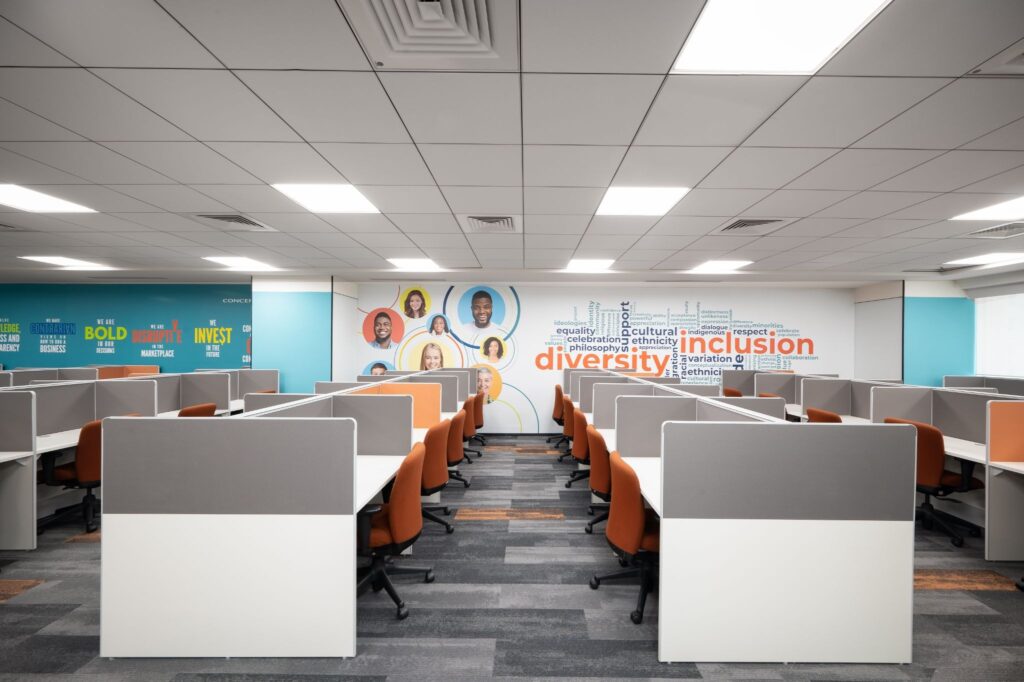
4. Factor in Maintenance and “The Ghost Fund”
Most budgets fail because they only account for the purchase price, not the ownership cost.
- The 10% Rule: Set aside 10% of your total infrastructure budget for ongoing maintenance and emergency repairs. AC units break, coffee machines leak, and Wi-Fi routers die.
- Cleaning and Upkeep: A professional workspace requires professional maintenance. This recurring cost belongs in your infrastructure budget, as a clean space directly impacts hardware longevity and employee health.
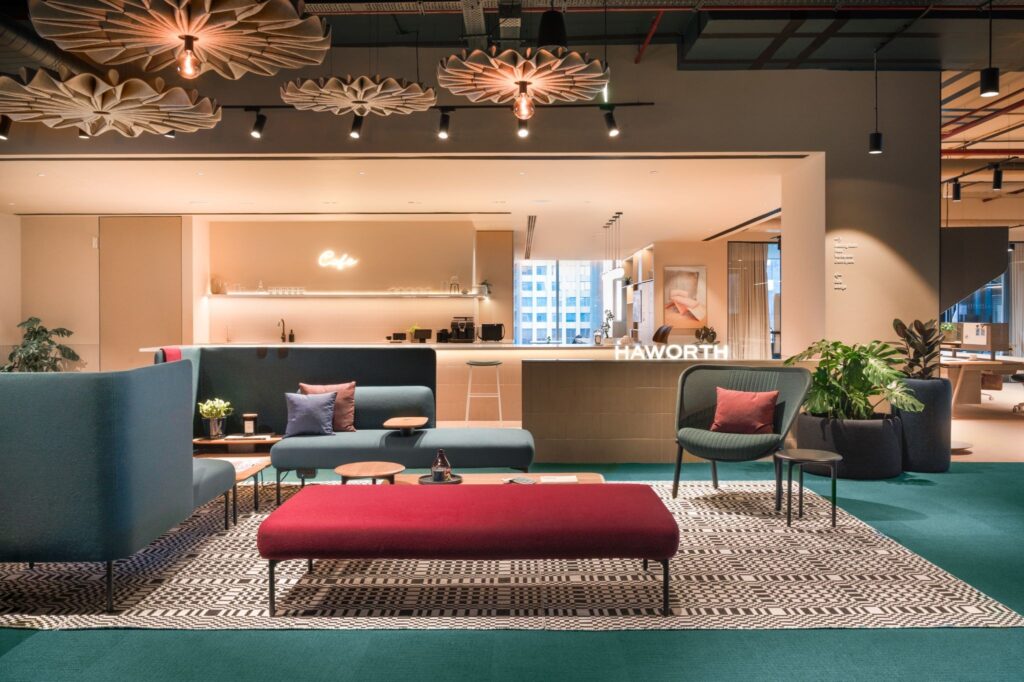
5. Flexible Real Estate Strategy
The “infrastructure” of the building itself-rent, utilities, and insurance- is usually the largest chunk.
- Amenity Access: Sometimes, paying a higher “rent” in a managed workspace or co-working hub is cheaper than managing your own separate contracts for cleaning, internet, and utilities.
- Utility Buffers: With fluctuating energy costs, always budget for the “peak” summer and winter months rather than an average.
Common Budgeting Mistakes: Where the Money Vanishes
Even with a plan, many businesses fall into these three “value traps”:
The “Penny Wise, Pound Foolish” Trap
Buying “consumer-grade” tech for a “business-grade” workload. A $400 home-office laptop will fail under the stress of 8-hour daily professional use. Always buy commercial-grade hardware; the warranty and durability are worth the premium.
Ignoring the “Change Tax”
Failing to account for the time it takes to set things up. If your team spends three days setting up furniture instead of working on client projects, that’s a massive hidden cost. Budget for professional installation to keep your team focused on their actual jobs.
Underestimating “The Last Mile”
You buy the best computers but use cheap cables. You buy a great router but put it behind a concrete pillar. Small, cheap components often bottleneck expensive systems. Never skimp on the “connectors”—cables, adapters, and docking stations.
Closing the Loop: Your Workspace is an Investment
Your office infrastructure budget should reflect your company’s values. If you value speed, invest in the best internet. If you value employee well-being, invest in ergonomics and air quality.
Remember, every dollar spent on reducing friction in the workspace is a dollar that pays dividends in output. Stop viewing your office as a place where you pay rent, and start viewing it as the engine room of your success.
Ready to transform your workspace into a growth engine?
Don’t wait for a hardware failure or a team burnout to audit your environment. Start by identifying your #1 productivity bottleneck today and allocate the budget to fix it.