
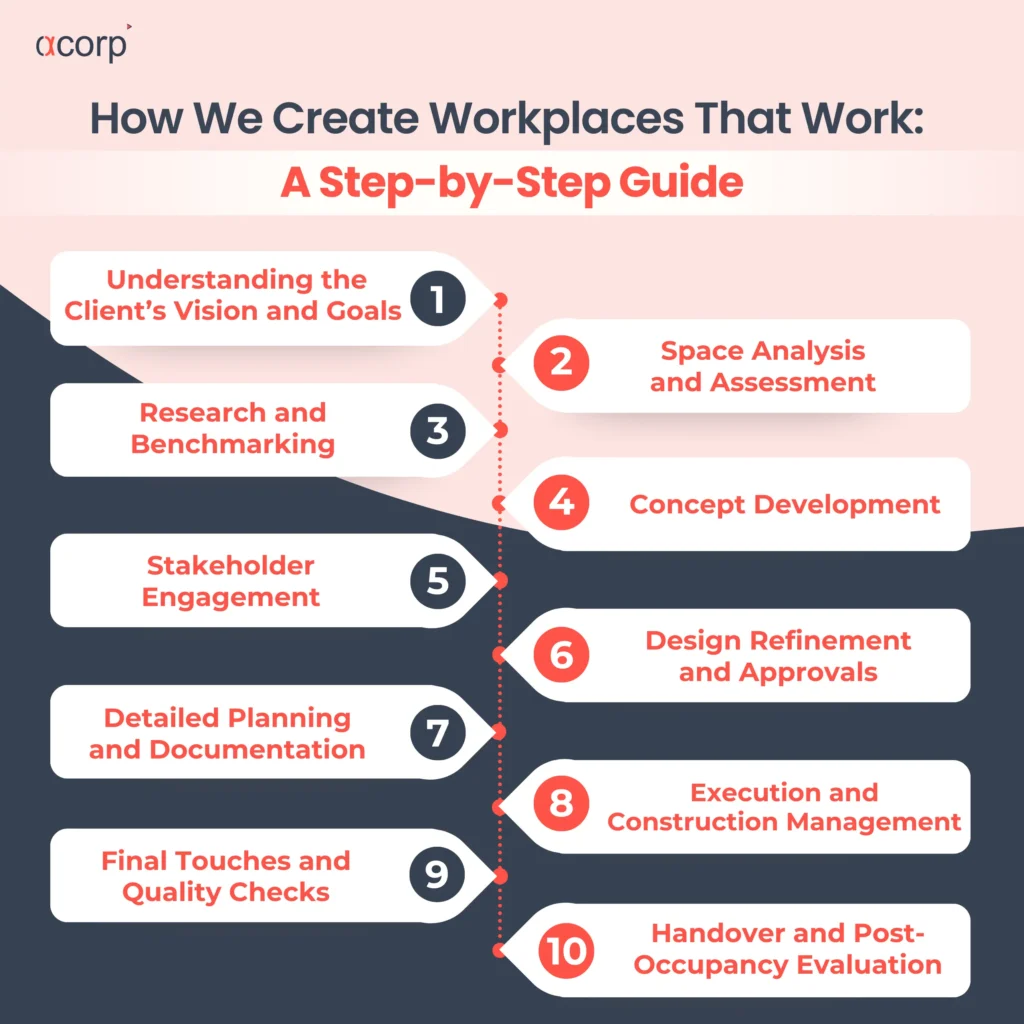
At Acorp, we believe that creating a successful office environment isn’t just about design—it’s about strategy. Our workplace strategy and workplace design and build process ensure that every decision contributes to improving workplace productivity design and employee satisfaction. Here’s our workplace design guide—a step-by-step look at how we create workplaces that truly work.
Step 1: Understanding the Client’s Vision and Goals
- Conduct an initial consultation to gather insights about the client’s business objectives, company culture, and employee needs—laying the foundation for an employee-centric office.
- Carry out a structured workplace strategy by observing and studying the behavioural patterns of workplace use by employees, analyzing data and collecting preferential feedback from key stakeholders and common employees alike.
- Identify key priorities such as productivity, collaboration, innovation, technology and employee wellness to support designing effective workplaces.
- Define project timelines, budget constraints and desired outcomes for the overall workplace design process.
Step 2: Space Analysis and Assessment
- Perform a detailed site survey to understand the physical attributes and limitations of the workspace, following a practical office layout planning guide.
- Conduct a utilization study to evaluate how existing spaces are used and identify inefficiencies in creating functional office spaces.
- Assess environmental factors like lighting, ventilation and acoustics using a workspace setup checklist.
Step 3: Research and Benchmarking
- Study workplace design trends, industry standards, and ergonomic principles relevant to the client’s sector.
- Benchmark against similar companies to provide competitive design solutions and workplace optimization tips.
Step 4: Concept Development
- Create design concepts aligned with the client’s goals, integrating aesthetics, functionality and brand identity as part of the workplace design steps.
- Develop layouts that optimize space for individual and collaborative work, ensuring designing productive offices.
- Incorporate design features promoting sustainability, wellness, and inclusivity—key in improving workplace productivity design.
Step 5: Stakeholder Engagement
- Host design workshops or discussions with key stakeholders, leadership and other decision-makers to gather feedback, in line with a workplace design consultancy process guide.
- Ensure the design reflects the needs of various teams and departments while following best practices in how to design an office.
Step 6: Design Refinement and Approvals
- Refine the design based on stakeholder input, ensuring alignment with the client’s vision and the overall workplace design guide.
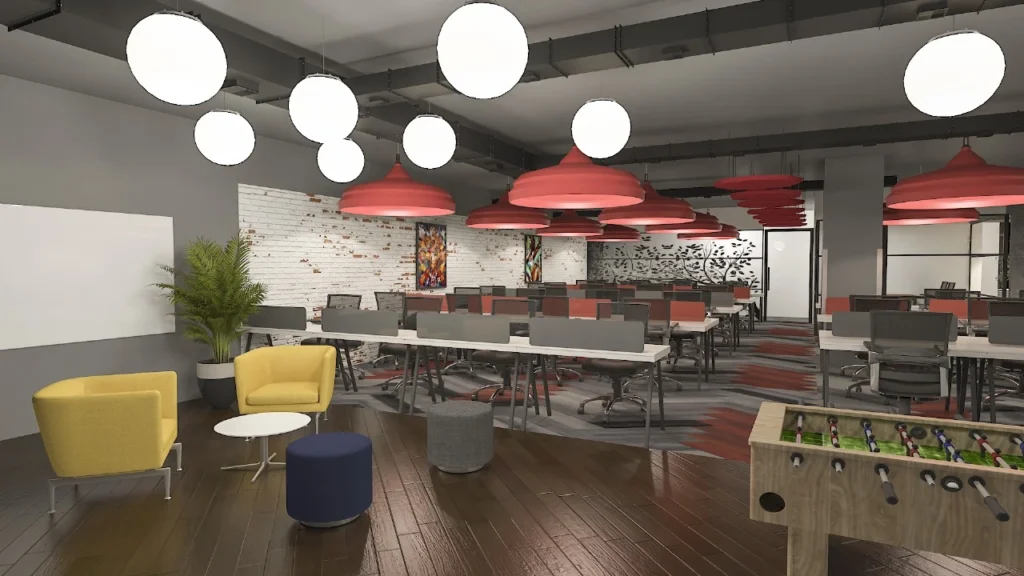
- Present final design concepts with 3D renders or walkthroughs for clarity.
- Secure necessary approvals before moving to the workplace design and build process.
Step 7: Detailed Planning and Documentation
- Develop detailed floor plans, MEP services layouts and material specifications as part of comprehensive office space planning.
- Integrate the IT and Audio Visual System needs into the design, supporting creating functional office spaces.
- Prepare a comprehensive project plan, including milestones, deadlines, and resource allocation for a seamless workplace design process.
Step 8: Execution and Construction Management
- Coordinate with contractors, vendors and suppliers to ensure smooth execution of the workplace design and build process.
- Monitor construction progress, ensuring adherence to quality standards and timelines, while applying practical workplace optimization tips.
- Provide on-site supervision and address any challenges or deviations promptly.
Step 9: Final Touches and Quality Checks
- Add finishing elements like furniture, artwork and branding elements to enhance aesthetics and functionality in designing effective workplaces.
- Conduct rigorous quality checks to ensure the design meets the specified standards and the project is snag-free, in line with workplace design steps.
Step 10: Handover and Post-Occupancy Evaluation
Conduct a post-occupancy evaluation to measure the effectiveness of the design and gather feedback for future improvements.
Hand over the completed workplace to the client, providing hand over documents, demo of key services, as built drawings etc.